Half-Time Draws and Club Lotteries: How Fan Fundraising Helped Build English Football
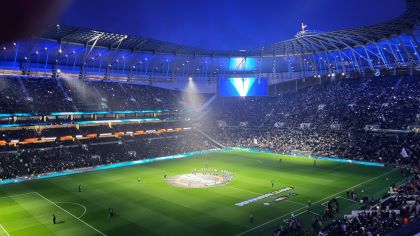
Long before broadcast deals and shirt sponsors, English football clubs relied on their supporters to pay for more than a ticket. They bought raffle tickets in the programme, filled envelopes on the terraces and took weekly lottery tickets from the club shop. That money paid for floodlights, stands, youth teams and, more than once, a club's survival.
Supporters still buy in today. The half-time draw is as much a part of matchday as the queue for a pie, even if the ticket now arrives on a phone.
The Raffle Ticket in the Programme
From the early twentieth century, supporters' clubs were some of the most important fundraisers in the game. Raffles, prize draws and "tote" competitions run by volunteers raised money for kit, travel and ground improvements, and at smaller clubs sometimes for the wages bill.
The prizes were modest: a gift hamper, a bottle of bubbly, a signed ball. The appeal was the same as now. A small stake helped the club, and there was always the chance of going home with something.
The Development Fund Era
The big change came in the 1970s. The Lotteries and Amusements Act 1976 made it easier for clubs and societies to run lotteries legally, and football clubs embraced it. Development associations and "Golden Goal" style draws became standard across the leagues, with tickets sold door to door, at work and on matchdays by armies of agents.
For many clubs the money was transformational. Lottery income paid for new stands, social clubs, floodlight upgrades and youth set-ups, often at a time when gates were falling and money from TV was tiny by modern standards. At some smaller clubs the weekly lottery was among the most reliable sources of income they had.
The draws also changed how clubs saw their fans. A season ticket holder was a customer for ninety minutes every other Saturday. A lottery member was a contributor every single week, home or away, in season and out. For boards that had relied on gate money alone, that steady weekly income was a lifeline, and it encouraged clubs to build stronger links with supporters' groups and local communities.
Plenty of supporters of a certain age will remember the club lottery agent who came round every week. For many, it was the first time they bought anything for their club beyond a ticket.
Matchday 50/50 Draws Today
The modern descendant is the 50/50 draw, now run by many clubs and their charitable foundations. The format is simple: tickets go on sale before kick-off, the pot is split down the middle at half-time, and one supporter takes home half while the other half funds community work, from school programmes to health projects.
It works for the same reasons the old raffles did. Supporters know where the money goes, the stake is small, and there's real excitement when the winning number goes up on the big screen. Because the jackpot grows with the crowd, a big game can produce a big prize.
Why Supporters Keep Buying In
Ask a regular why they buy a half-time ticket every week and you'll rarely hear about the money. The reasons tend to be the same ones the old supporters' club volunteers relied on
It feels like giving back. Fans know the proceeds pay for something real, whether that's a youth coaching scheme, a community project or, in the old days, a new roof over the terrace.
It's part of the routine. Like the same seat, the same pre-match pint or the same walk to the ground, the draw becomes part of how matchday works.
The stake is small. A pound or two is easy to justify when most of it supports the club, and the price is lower than almost anything else on sale inside the stadium.
Somebody always wins. Unlike the national draws with their enormous odds, a club raffle produces a winner in the crowd weekly, often someone sitting a few rows away. That makes it feel achievable in a way a big jackpot never does.
There's also a shared moment. When the winning number goes up at half-time, thousands of people check their tickets at once, and for a few seconds the whole ground is playing the same game.
From the Turnstile to the Phone
What has changed most is how people buy in. Clubs increasingly sell 50/50 tickets by app or QR code, so supporters can enter from their seat, the concourse or a sofa in another country. Payment is instant, results come straight to your phone and there's no stub to lose.
The same shift has happened right across prize draws. Platforms such as emiratesdraw.com (no relation to the stadium down the road) now run number draws, limited-ticket raffles, and instant games for players in many different countries, all online. It's the half-time raffle idea at a global scale: buy a ticket in seconds through multiple payment methods, check the result as soon as it's drawn and take part from anywhere. The difference is that a club draw puts half the pot back into the community it serves.
Top of page | Spurs Odyssey Home Page